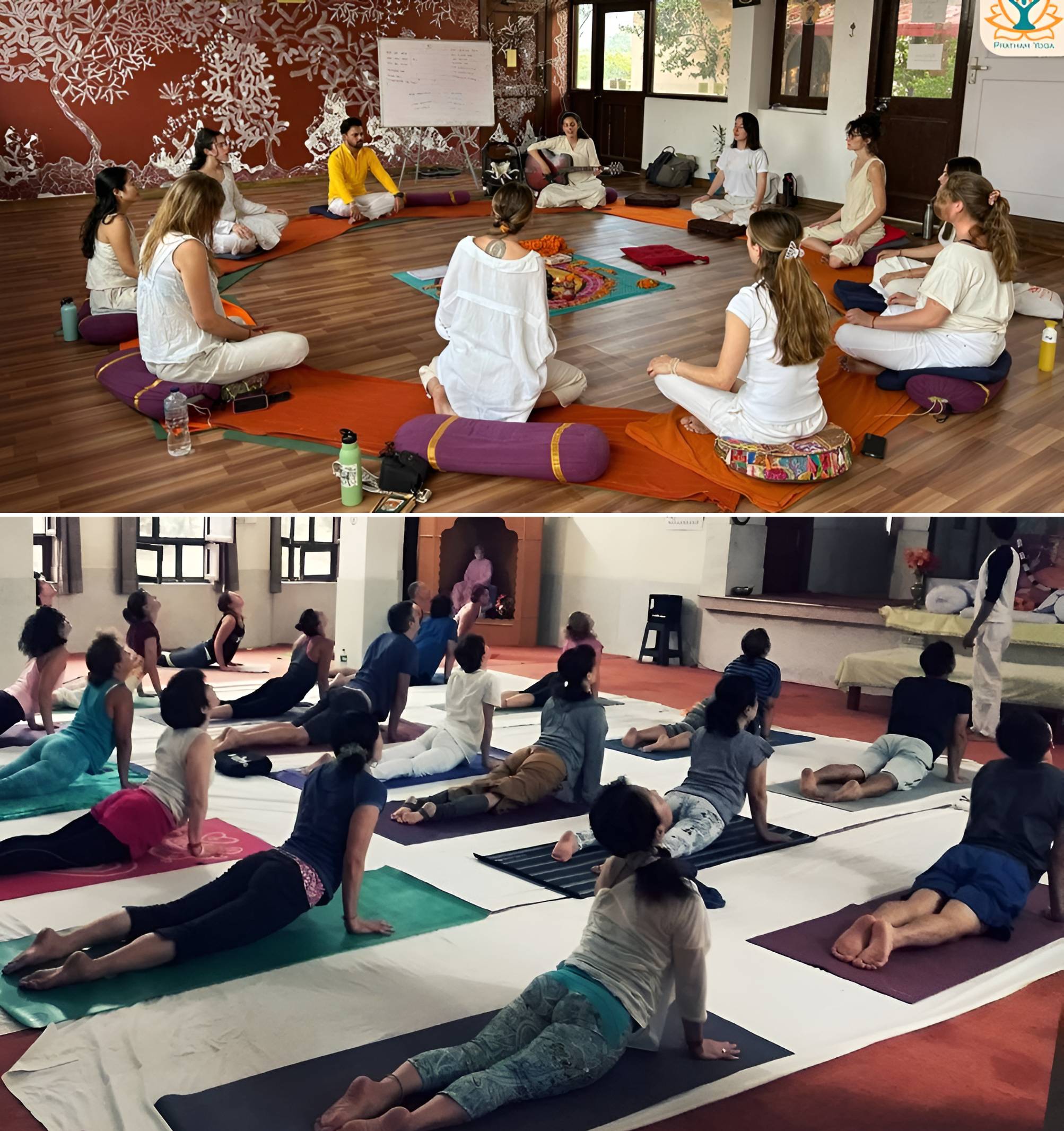
Yoga and Meditation in the Himalayas (Uttarkashi near Ganga Ji) / Groups Only

The Himalayas have long been considered the spiritual heart of India. For centuries, sages, yogis, and seekers have traveled to these sacred mountains to practice meditation, self-discipline, and yoga.

Among the many serene destinations in the Himalayas, Uttarkashi, located along the holy Ganga Ji (Bhagirathi River), has become one of the most powerful and authentic places to study yoga.

Hotel Kailasha offers Yoga courses in Uttarkashi that provide a rare combination of ancient yogic wisdom, natural beauty, and spiritual energy. Surrounded by towering Himalayan peaks, flowing sacred waters, and peaceful forests, this region provides an ideal environment for deep learning and self-transformation.
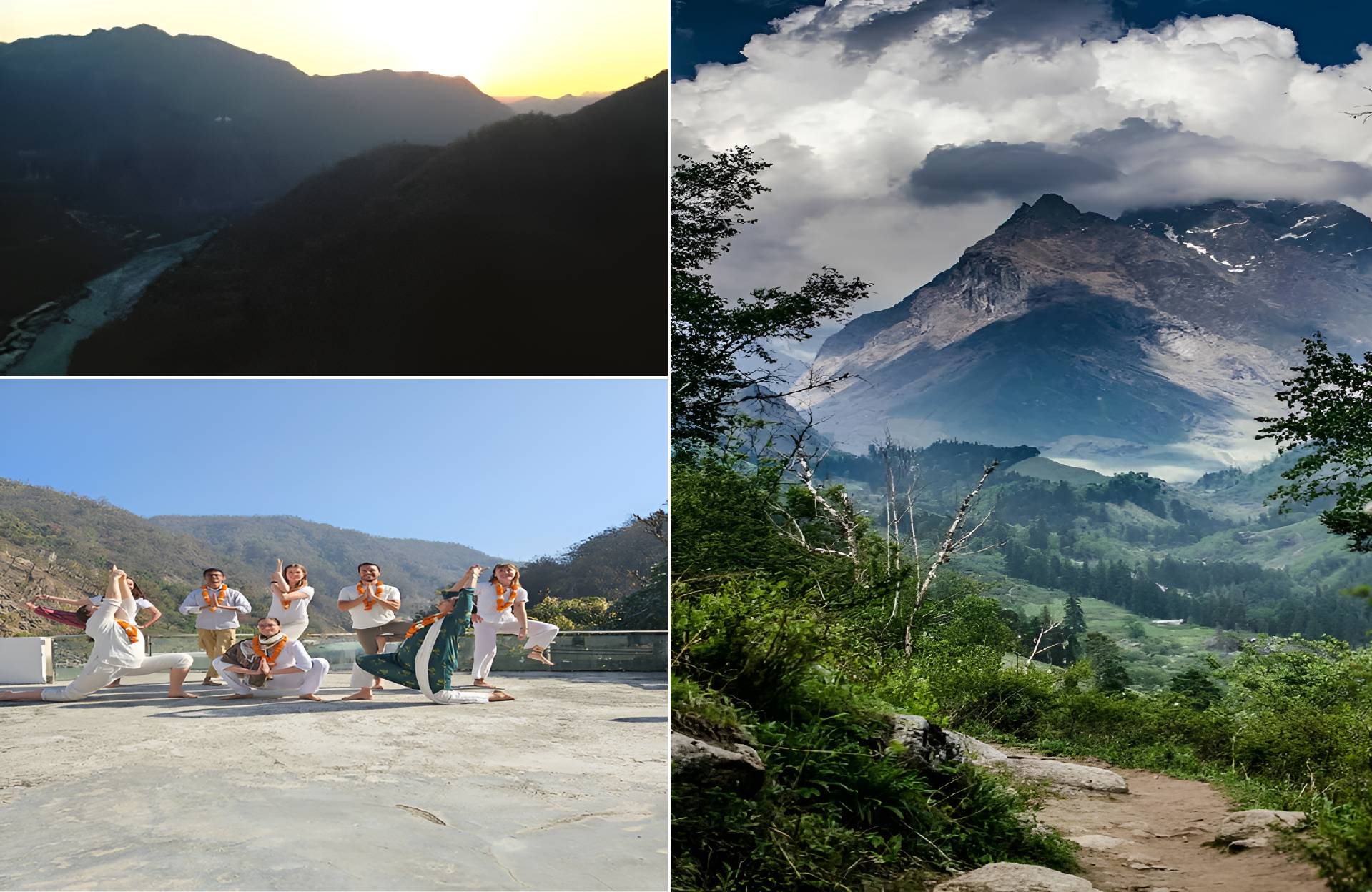
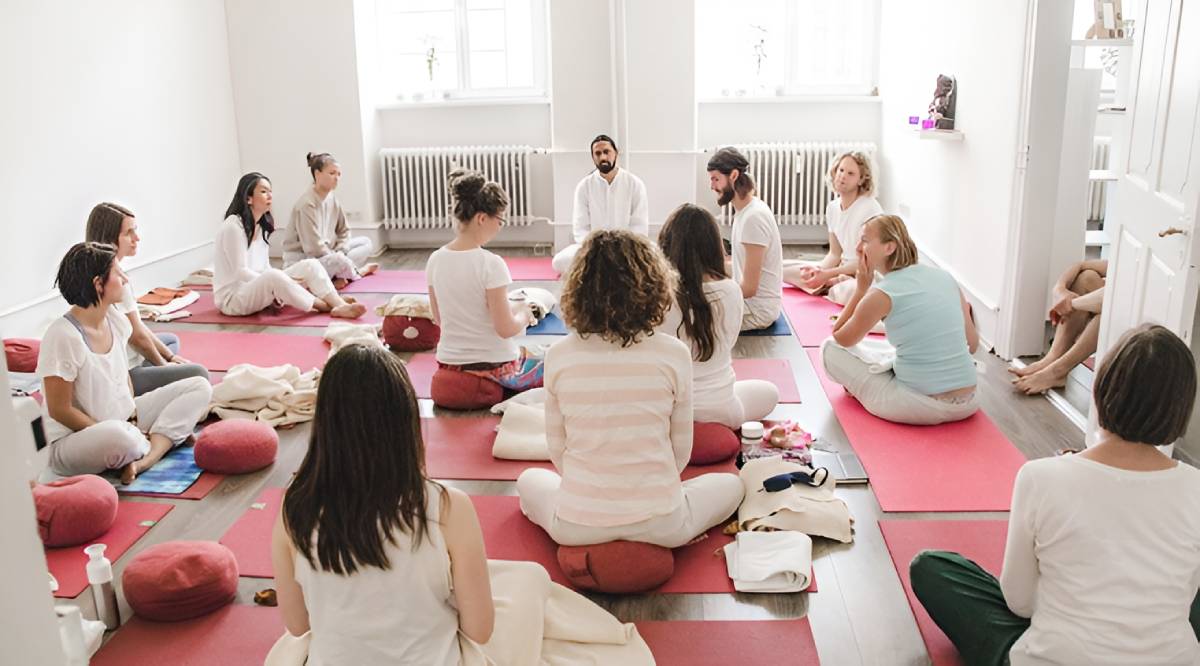
Yoga in Himalayas

Why Choose Uttarkashi for Yoga Courses {Hotel Kailasha}?

Uttarkashi is often referred to as the “Kashi of the North.” It is an ancient spiritual town where many yogis and saints have practiced for generations. The sacred Bhagirathi River, which later becomes the Ganges, flows through the town, filling the atmosphere with a deeply spiritual vibration.

There are several reasons why Uttarkashi is ideal for yoga learning:

1. Pure Himalayan Environment

Fresh mountain air, peaceful surroundings, and the natural rhythm of the Himalayas help students disconnect from stress and reconnect with themselves.

2. Spiritual Heritage

Uttarkashi is home to many ancient temples, ashrams, and spiritual traditions. Practicing yoga here connects students with authentic yogic culture.

3. Sacred Ganga Energy

Meditating and practicing yoga near the holy river enhances focus, calmness, and spiritual awareness.

4. Distraction-Free Learning

Unlike busy cities, Uttarkashi provides a quiet environment perfect for deep study and personal transformation.

Types of Yoga Courses Offered

Yoga schools and ashrams in Uttarkashi offer a variety of courses suitable for beginners, intermediate practitioners, and future teachers.

Yoga TTC

1. Yoga Teacher Training Courses (TTC)

These intensive programs are designed for students who want to become certified yoga teachers. Popular programs include:

  • 200-Hour Yoga Teacher Training
  • 300-Hour Advanced Teacher Training
  • 500-Hour Professional Certification

Students learn:

  • Hatha Yoga
  • Ashtanga Yoga
  • Pranayama (breathing techniques)
  • Meditation practices
  • Yoga philosophy
  • Anatomy and alignment
  • Teaching methodology

2. Short-Term Yoga Retreats

For travelers or beginners who want a shorter experience, retreats lasting 7–14 days offer daily yoga sessions, meditation, and relaxation in nature.

3. Meditation & Pranayama Courses

Some ashrams focus specifically on breathing techniques and meditation to develop mental clarity, emotional balance, and spiritual awareness.

Daily Routine

Daily Life During a Yoga Course

Life during a yoga course in Uttarkashi follows a simple and disciplined routine designed to support inner growth.

A typical day may include:

  • Early Morning Meditation (around 5–6 AM)
  • Pranayama and Yoga Asana Practice
  • Healthy Yogic Breakfast
  • Yoga Philosophy or Anatomy Classes
  • Afternoon Practice or Workshops
  • Evening Meditation and Relaxation
  • Ganga Aarti or Silent Reflection

The food served in most ashrams is pure vegetarian yogic cuisine, which helps support physical health and mental clarity.

Benefits of Learning Yoga in the Himalayas

Studying yoga in the Himalayas offers benefits beyond physical exercise. It becomes a life-changing journey rather than just a course.

  • Mental peace and emotional balance
  • Stronger physical health and flexibility
  • Spiritual awareness and mindfulness
  • Deep connection with nature
  • Authentic understanding of yogic traditions

Many students say that practicing yoga near the sacred Ganga in the Himalayas becomes a life-changing journey rather than just a course.

Best Time to Join Yoga Courses:

The ideal seasons for yoga training in Uttarkashi are:

  • March to June (Spring–Summer) – Pleasant weather and clear mountain views
  • September to November (Autumn) – Calm atmosphere and comfortable climate

Winters can be very cold, but some ashrams still offer meditation retreats during this time.